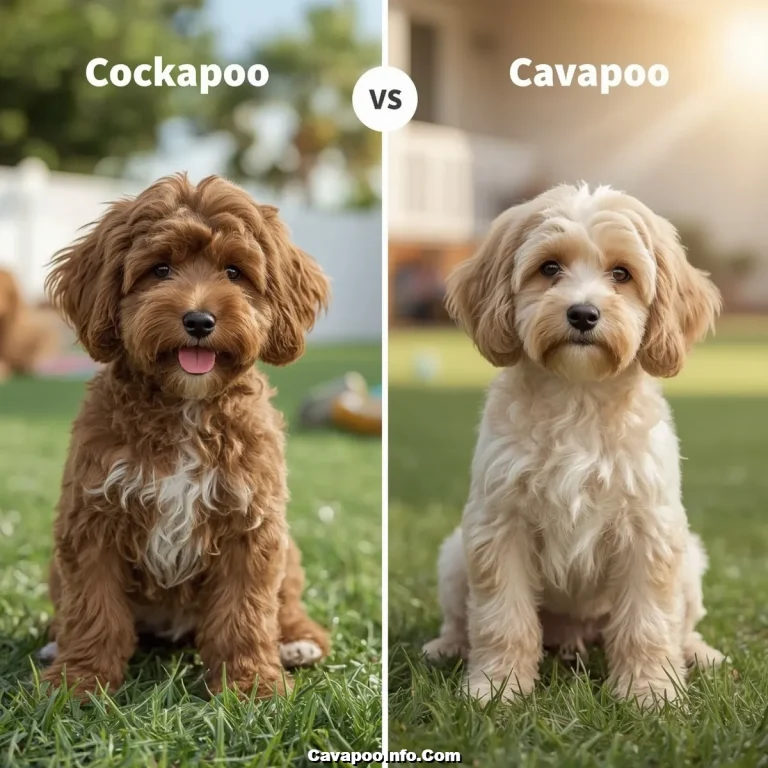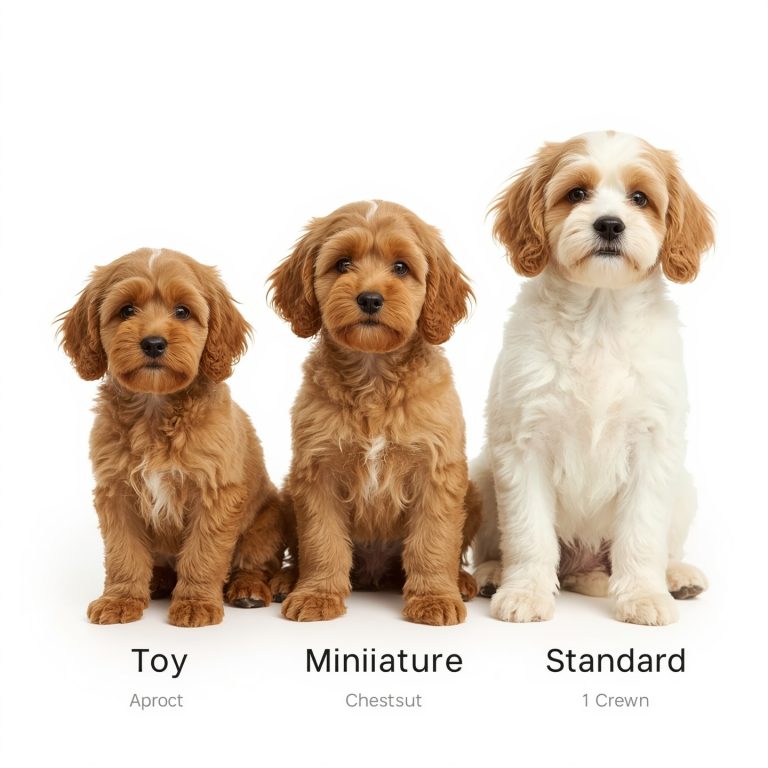
Are Cavapoos Hypoallergenic?

Cavapoo dogs have gained so much popularity over time, given that they reduce allergic reactions; thus, they are a pretty good option for those who are prone to allergic reactions. Their reputation comes from the Poodle side of the family Poodles are low-shedding, curly-coated dogs whose curls tend to trap dander, a primary allergen.
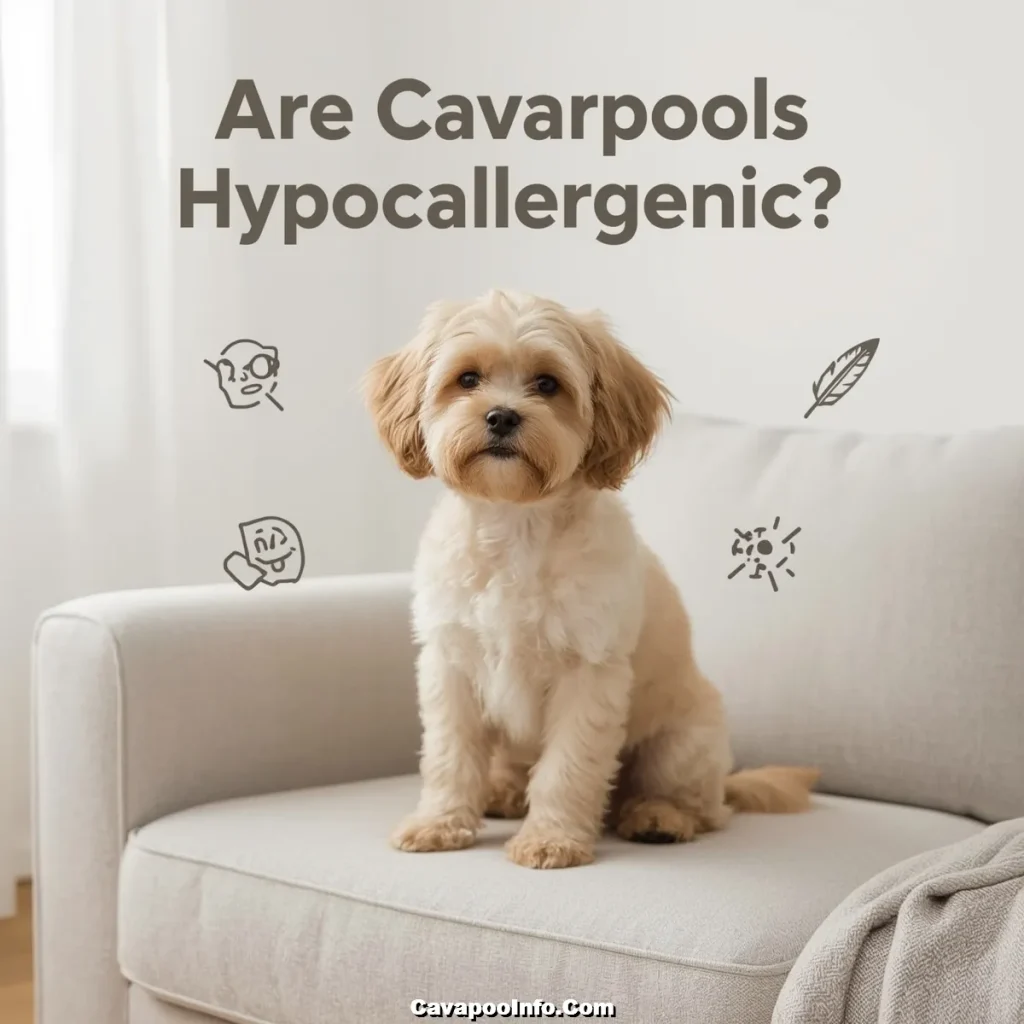
Since one of the parent breeds of Cavapoos is a Poodle, which is known for having low-shedding coats, when these are crossed with other breeds such as the Cavalier, their offspring will typically inherit this trait. There is no such thing as a totally hypoallergenic dog, but some breeds, like the Cavapoo, are said to emit fewer allergens.
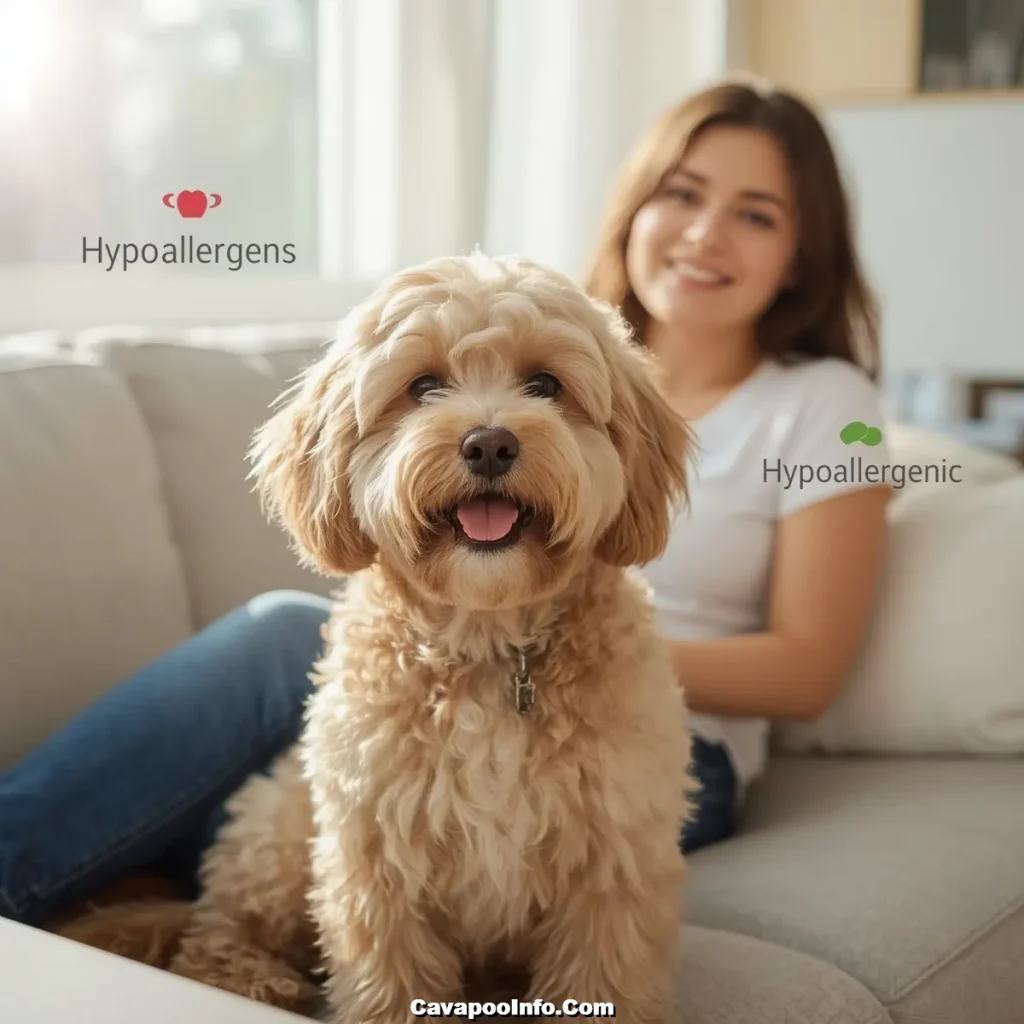
Choosing the right dog breed in these cases may bring more comfort for these people concerning allergies. Since they have hypoallergenic dogs, people can still have pets and enjoy their companionship without the usual signs of allergies, such as sneezing, itching, or respiration problems. To allergic families, breeds such as this Cavapoo will be a lovely and fine alternative.
Cavapoo as a Hypoallergenic Dog Breed:
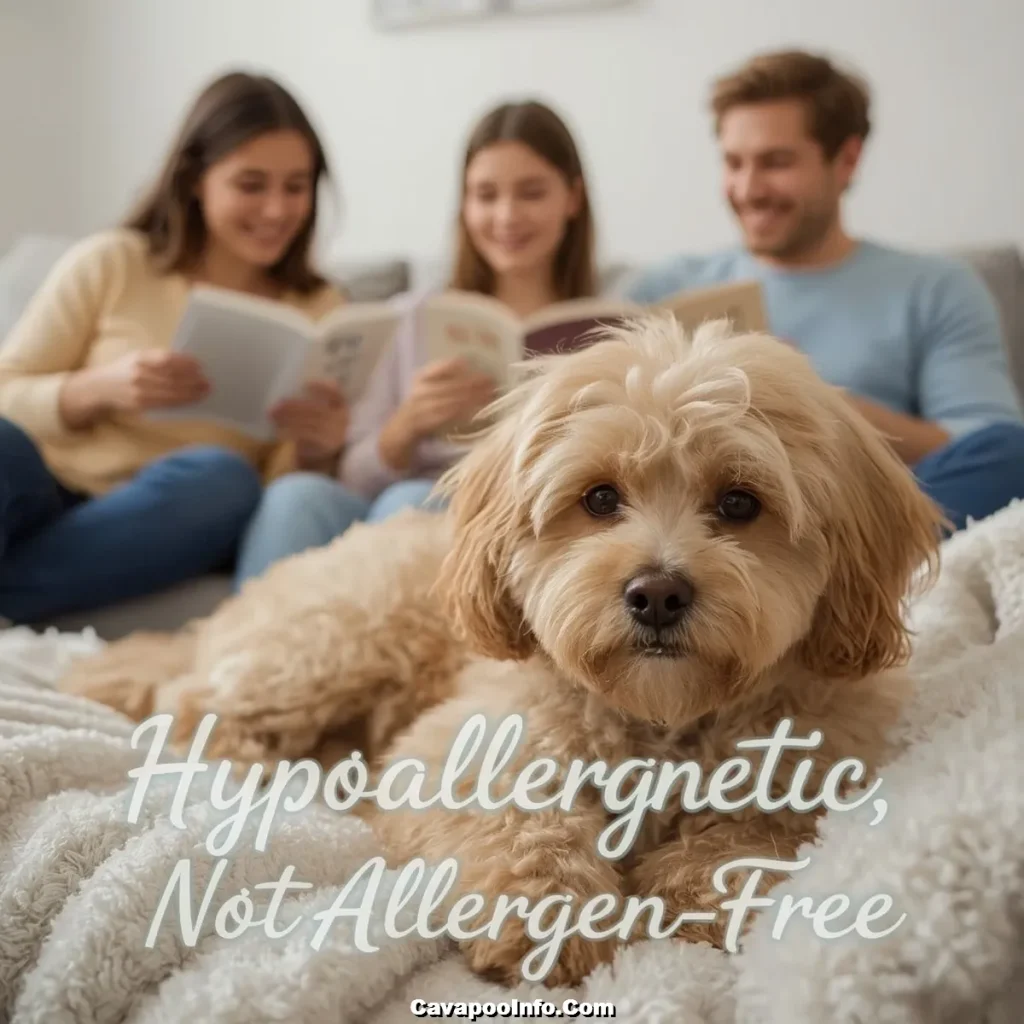
A hypoallergenic dog is one that would probably not cause allergic reactions among people susceptible to pet allergies. However, no dog is completely allergen-free.What the term “hypoallergenic” actually means is that certain breeds of dogs produce fewer allergens and are thus more suitable for use by people with allergies.
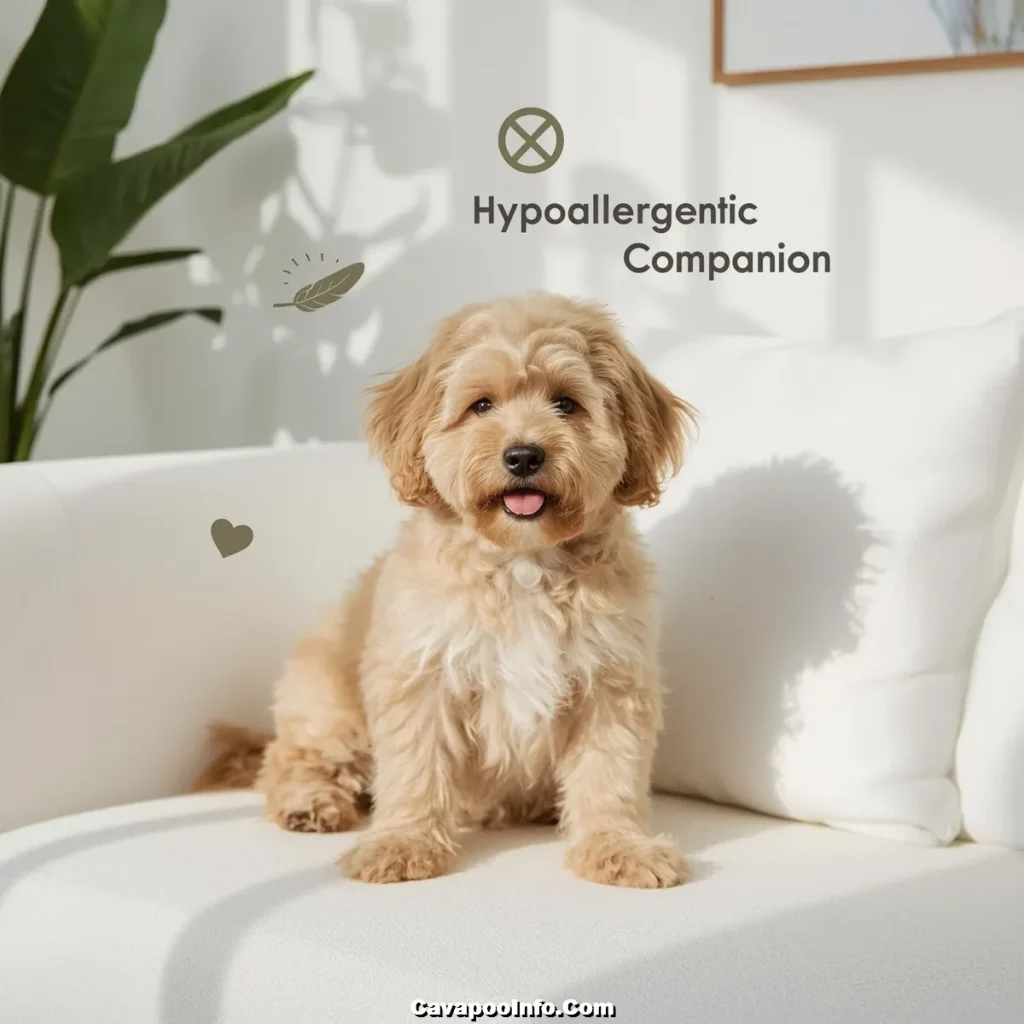
Dog allergies are mainly caused by proteins present on a dog’s dander-the dead skin cells- and saliva and urine. These allergens tend to attach themselves to the fur of a dog, and once a dog sheds or licks himself, they then transfer these allergens into the air, which can cause allergic reactions. Cavapoos are a cross between the Cavalier King Charles Spaniel and the Poodle, often inheriting the low-shedding coat one that loses fewer dead skin cells, otherwise called dander-than breeds that shed much.
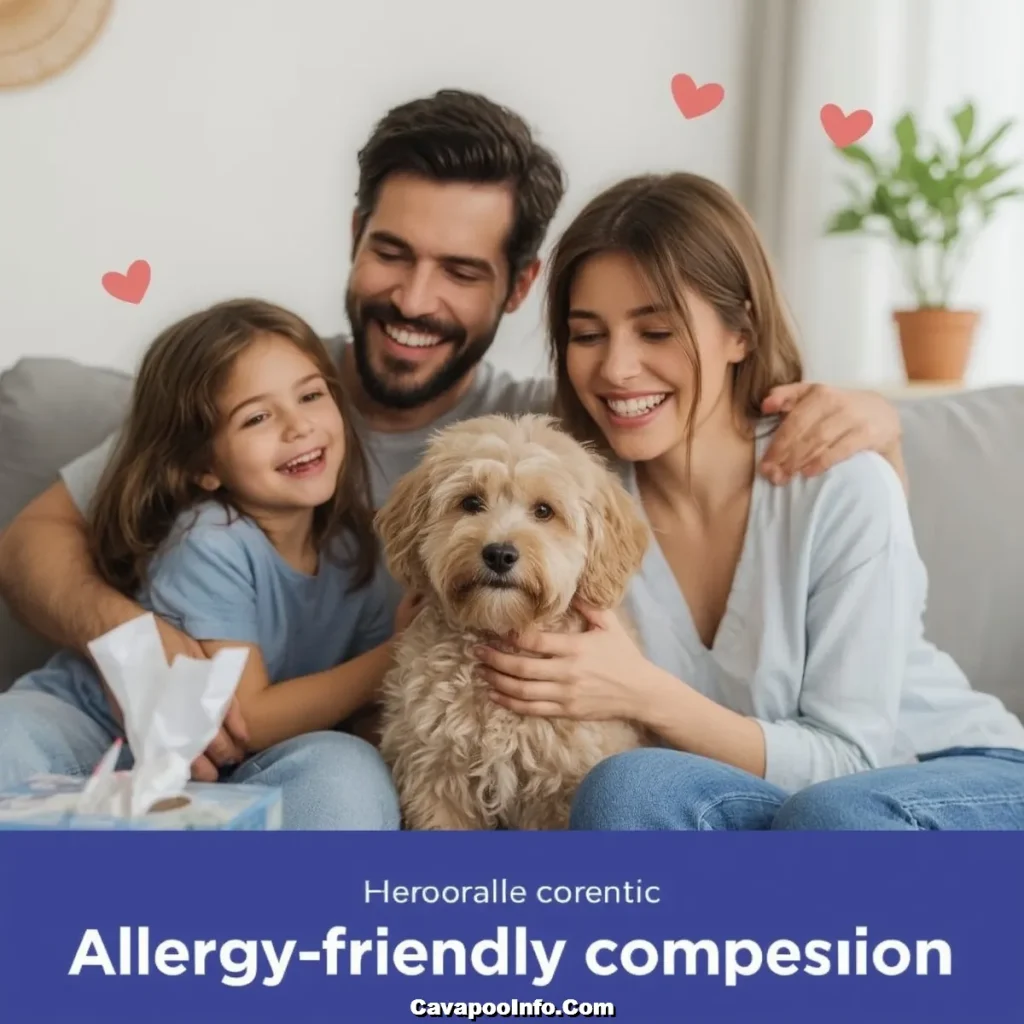
Another misconception is that hypoallergenic breeds like the Cavapoo have no allergy at all. Persons who have severe allergies will react even with a hypoallergenic dog. Other people believe that people are allergic to the length of their fur, and then it’s really the dander and saliva. Though Cavapoos do lower people’s chances of having high exposure to dander and saliva, it is surely not a guaranteed answer for everyone who has a pet allergy.
New Research Findings Regarding Hypoallergenic Dogs:
Some dog breeds are described as hypoallergenic. Scientists argue that no pure breed of dog is strictly hypoallergenic. All dogs produce allergens because they shed skin cells (dander), from saliva and urine. Yet, some breeds produce lower levels of allergens, which would imply milder allergic reactions.

Key Scientific Breakthroughs:
Allergens present in Dander and Saliva: Many studies show that allergenic proteins, especially Can f 1 that is responsible for dog allergies, are found in every dog. Hypoallergenic breeds, such as Cavapoos, tend to have fewer allergens discharged because they shed very little and possess an inherited curled coat of a Poodle that locks dander.
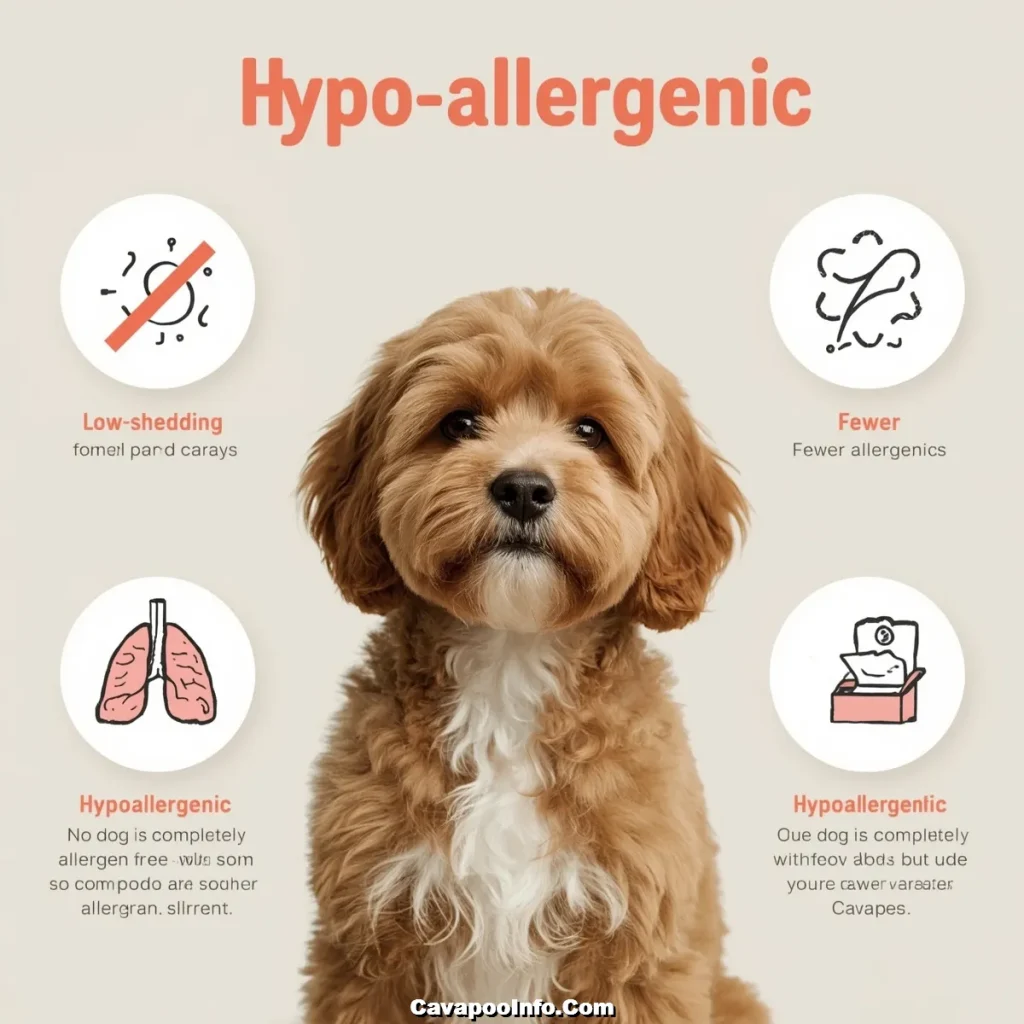
No Allergy-Free Dog: As per the American Journal of Rhinology and Allergy, in its 2011 research, it was found that hypoallergenic dogs differ little in the allergens present in homes compared to those that are not hypoallergenic. Although some breeds like Cavapoos are said to produce less dander, they are not absolutely allergen-free.
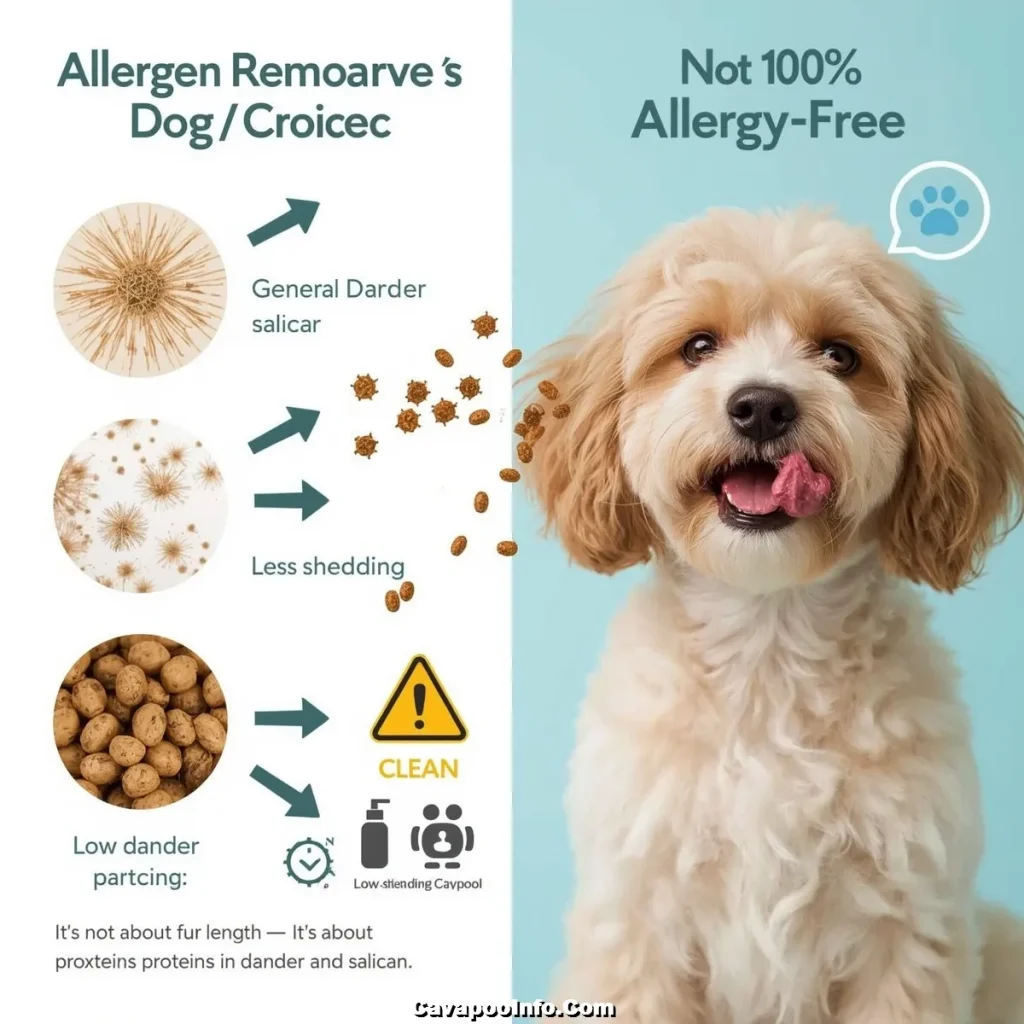
Different Reactions from Different People: Even if some person has mild allergies, it has been known that the response differs because some people having extreme allergic reactions would not find it comfortable to be around even hypoallergenic breeds of dogs like a Cavapoo.
Research about Cavapoo:
Cavapoos and Allergens: Since there is virtually no direct study regarding Cavapoos, studies on Poodle mixes suggest that, like most other breeds labeled ‘hypoallergenic, Cavapoos shed fewer allergens than high-shedding breeds.
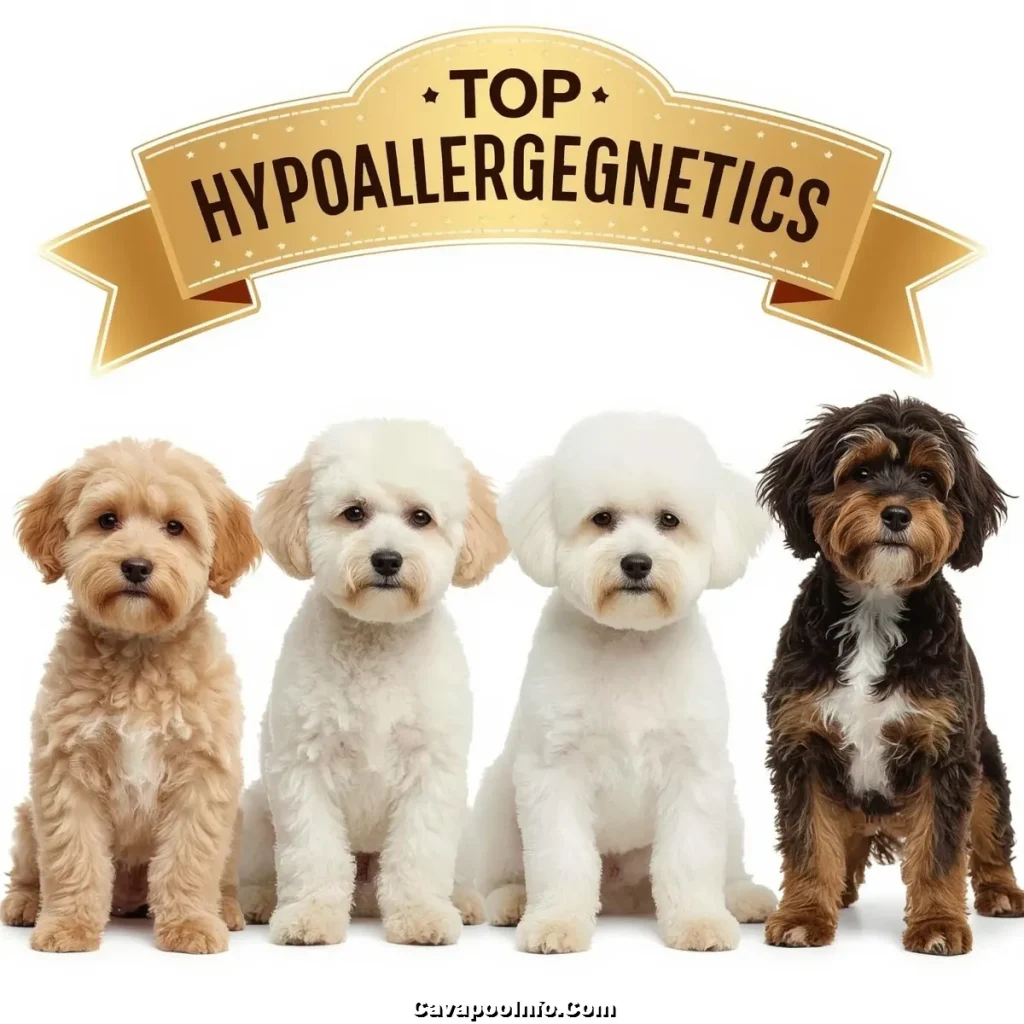
Why is a Cavapoo Classified As An Allergenic Or Non-Allergenic Breed?
For the most part, Cavapoos have been established to be hypoallergenic dogs due to their lineage, especially one they inherited from the Poodle. Nevertheless, this is dependent on characteristics pertaining to the type of coat they receive and the degree to which they shed.
Impact of Hypoallergenic Poodle Coat:
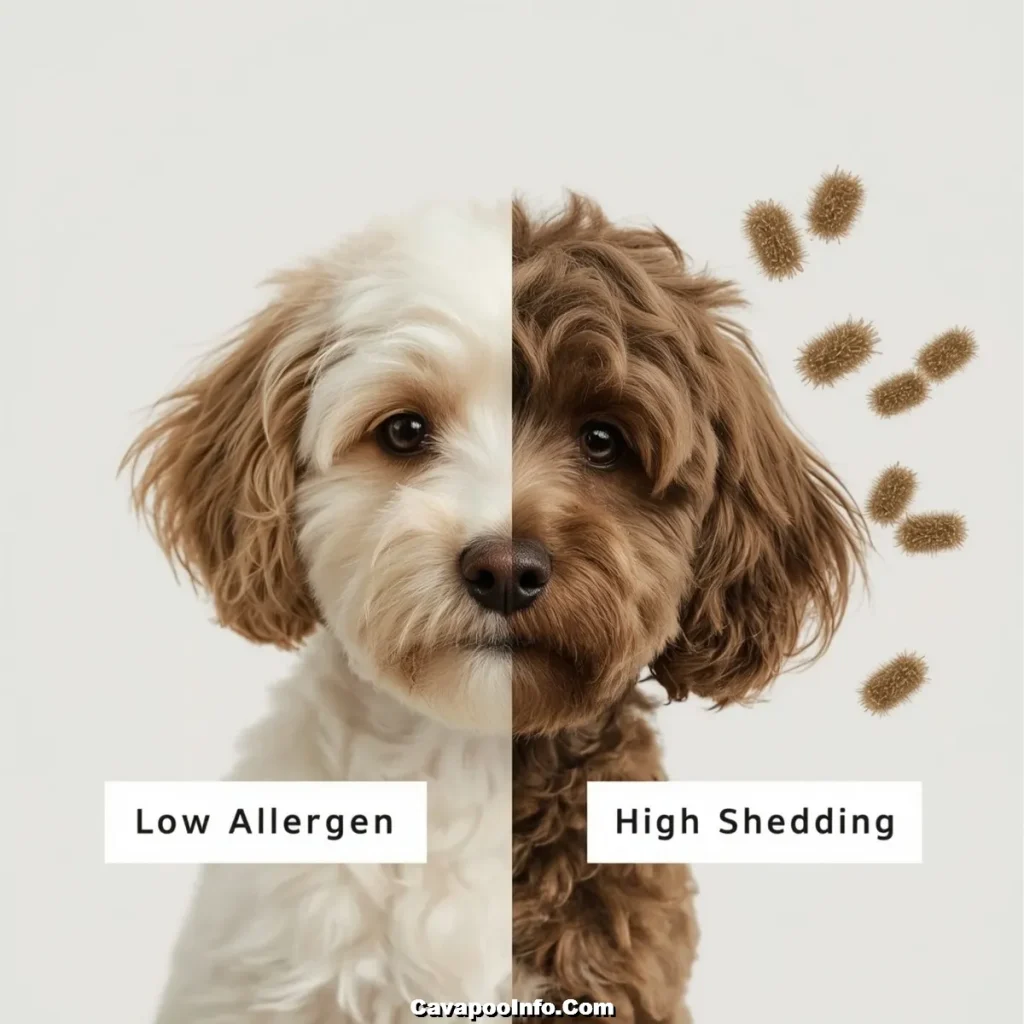
The other reason poodles are very known for their characteristic of being hypoallergenic is mainly because of the curly and low-shedding form of their coat. These curls trap dander, dead skin cells which happen to be among the primary allergens known to cause allergic reactions, from spreading outside in the air. Chances are higher that Cavapoos will produce fewer allergens when inherited with such a coat.
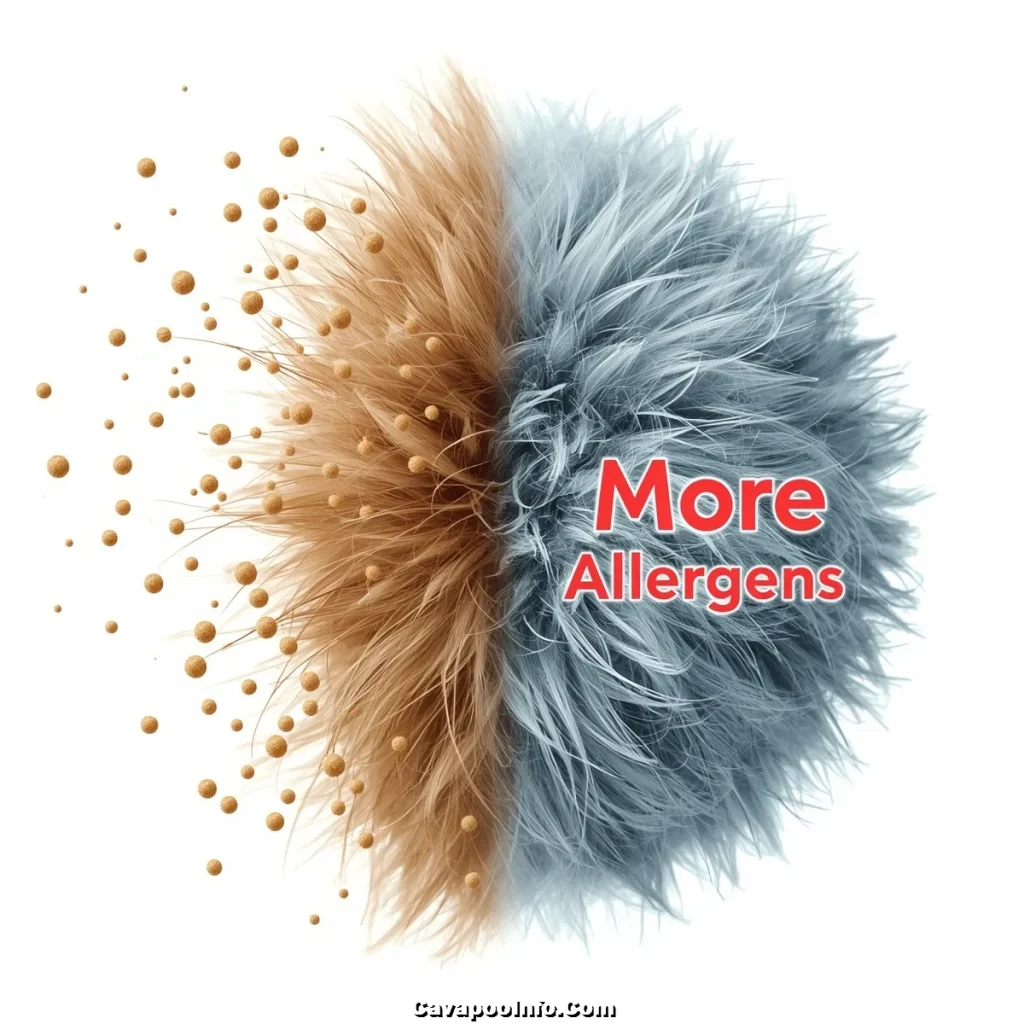
Cavalier King Charles Spaniel’s Coat:
Their coat is much longer and silkier, and they shed more than Poodles. If a Cavapoo gets more genetic traits from the Cavalier, it will naturally shed more and have the potential to release more allergens in the air. So the degree to which a Cavapoo is hypoallergenic depends on whether they get the trait of a Poodle or Cavalier coat.
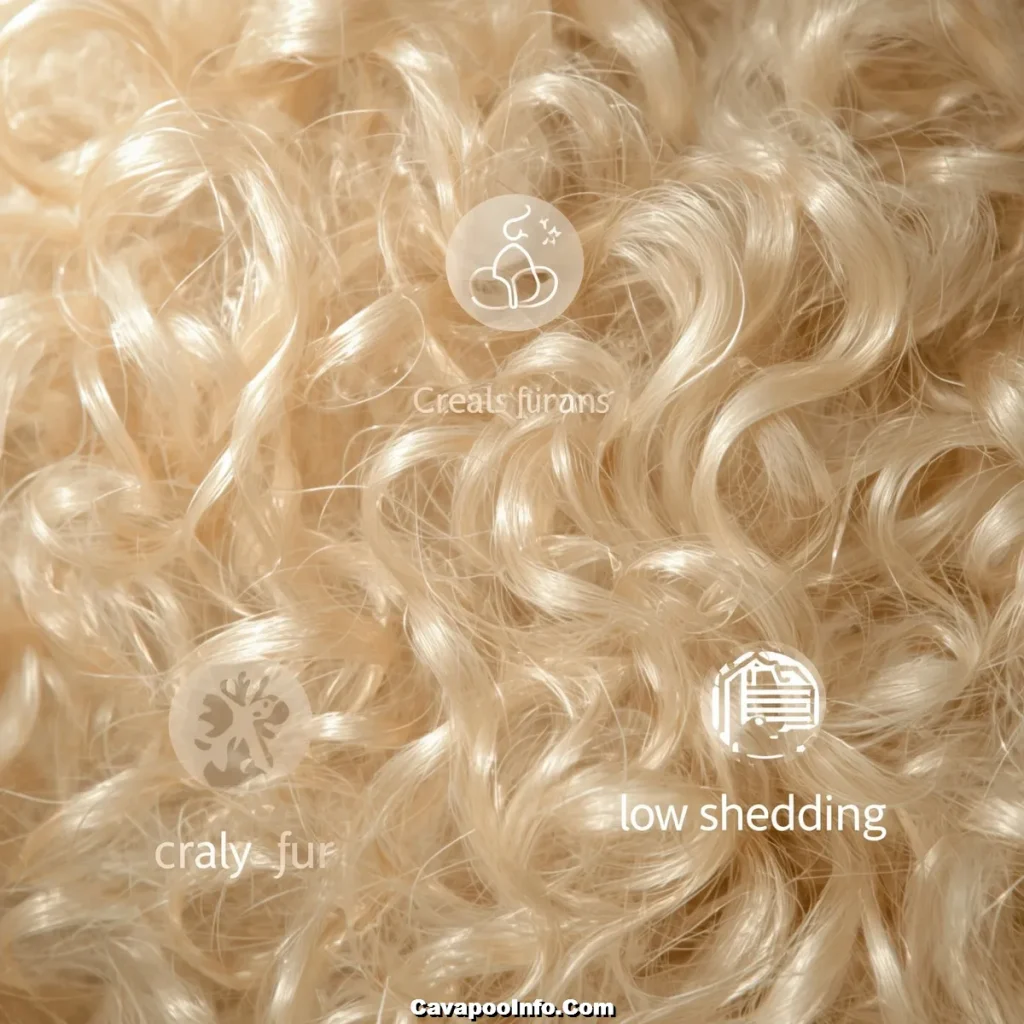
Shedding And Allergen Production:
While all dogs cause allergies due to dander and saliva, the types with a Poodle-like coat tend to shed less than any other breed, which minimizes allergies in the home. However, the Cavapoos that take after some of their Cavalier traits tend to shed more and trigger allergic reactions in sensitive folks.
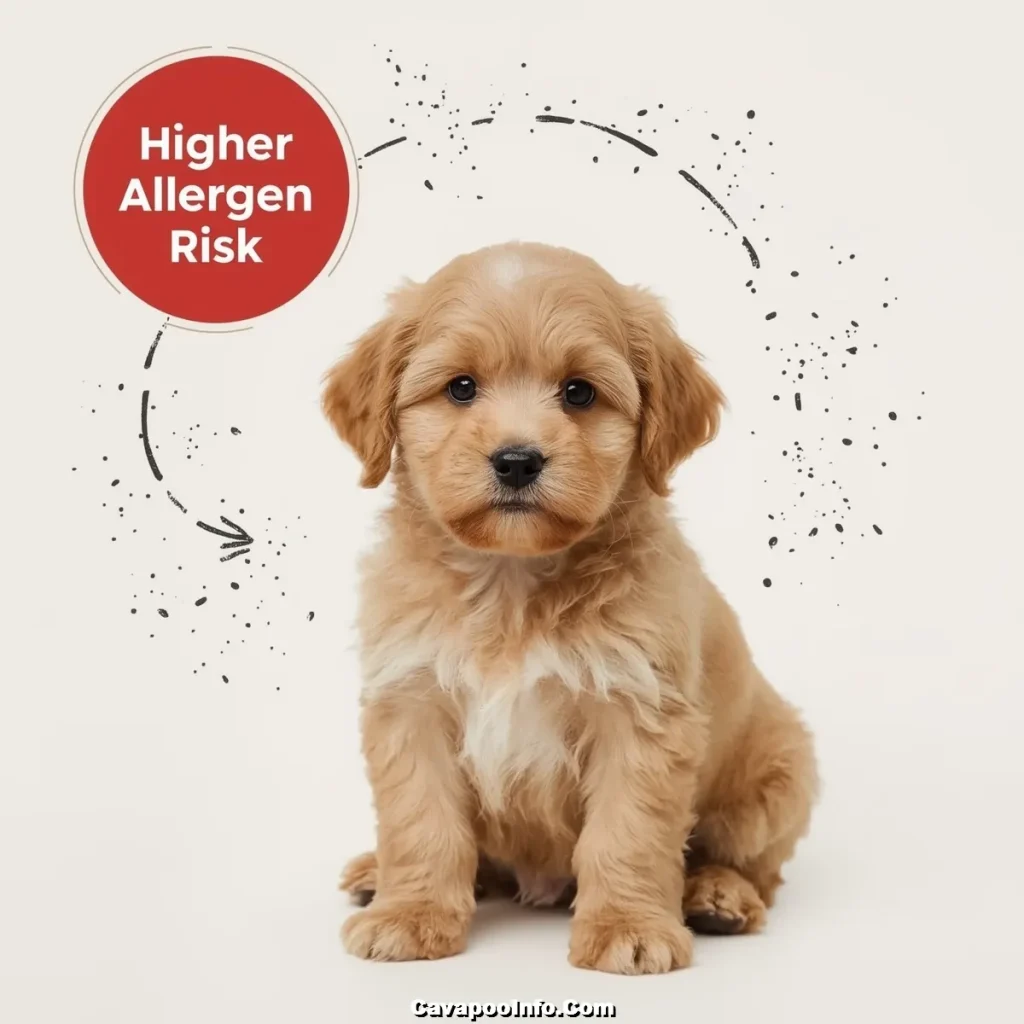
What Types of Coats Are More Prone to Allergens in Cavapoos?
The three primary coat types found in Cavapoos are curly, wavy, or straight, and each of them impacts the allergenic potential.
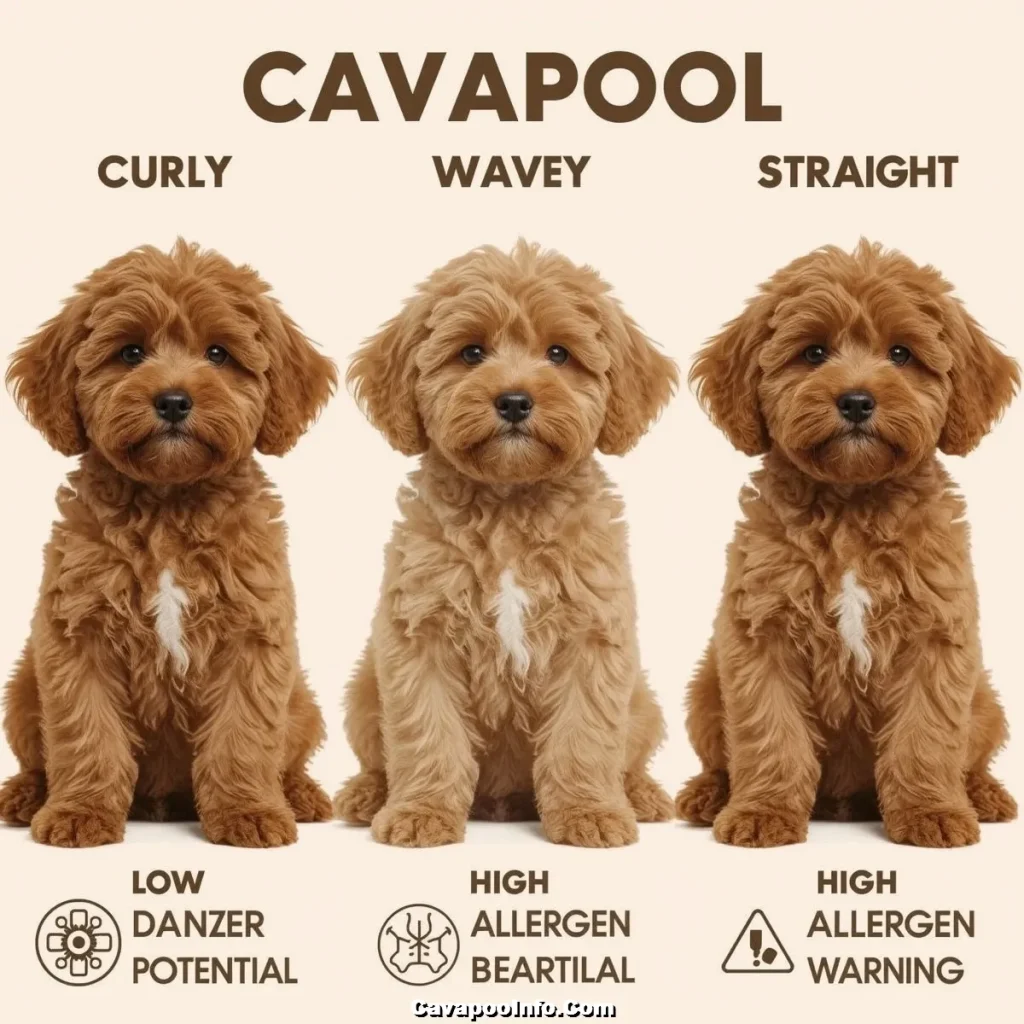
Curly Coats – The Least Likely to Trigger an Allergic Response:
Like their parent Poodle, Cavapoos with curly coats has the least possible chance of triggering an allergic response. This is because the dander remains inside, is not released to the environment, and has a very low rate of shedding.
Wavy Coats:
These coats are a combination of all characteristics involving Poodle and Cavalier King Charles Spaniel traits. They shed slightly more than curly coats yet not excessively and produce fewer allergens than straight coats.

Straight Coats:
These dogs usually have straight coats like the Cavalier side. The Cavapoo sheds much and the dander from this coat goes flying into the air; such a situation heightens allergic reactions.
Cavapoo Coats for Allergy Sufferers:
Grooming goes a long way to reduce shedding and dander production. The rest will be prevented by making sure to clean the home as regularly as possible and using air purifiers.
Can people Get allergies with pet Cavapoos?
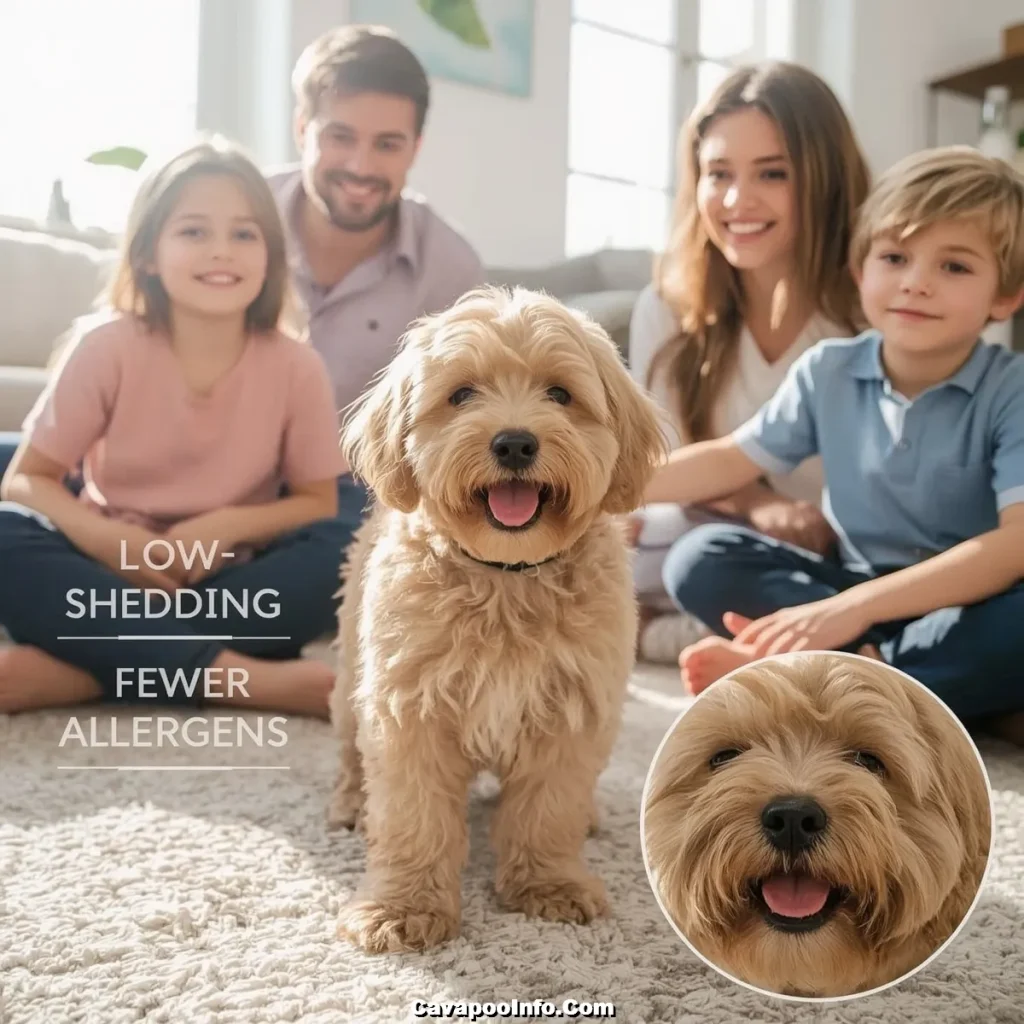
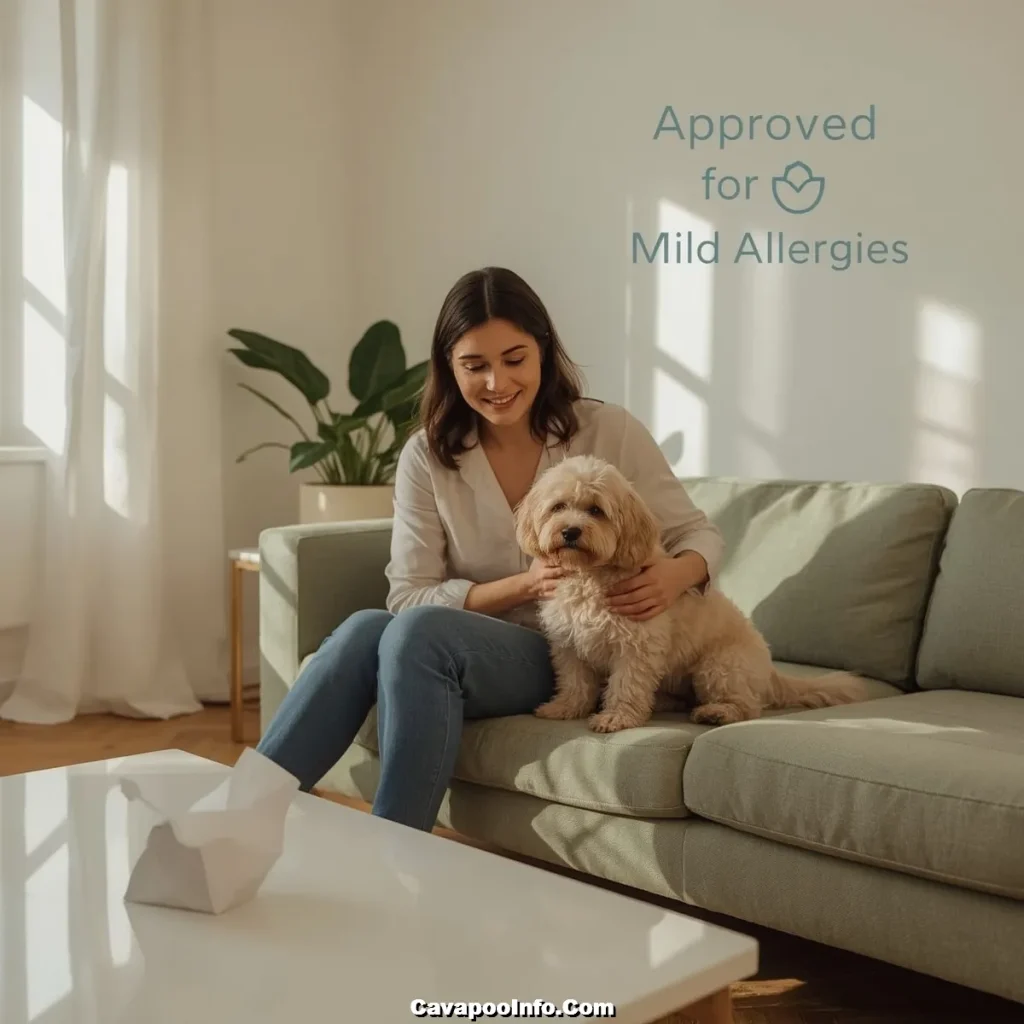
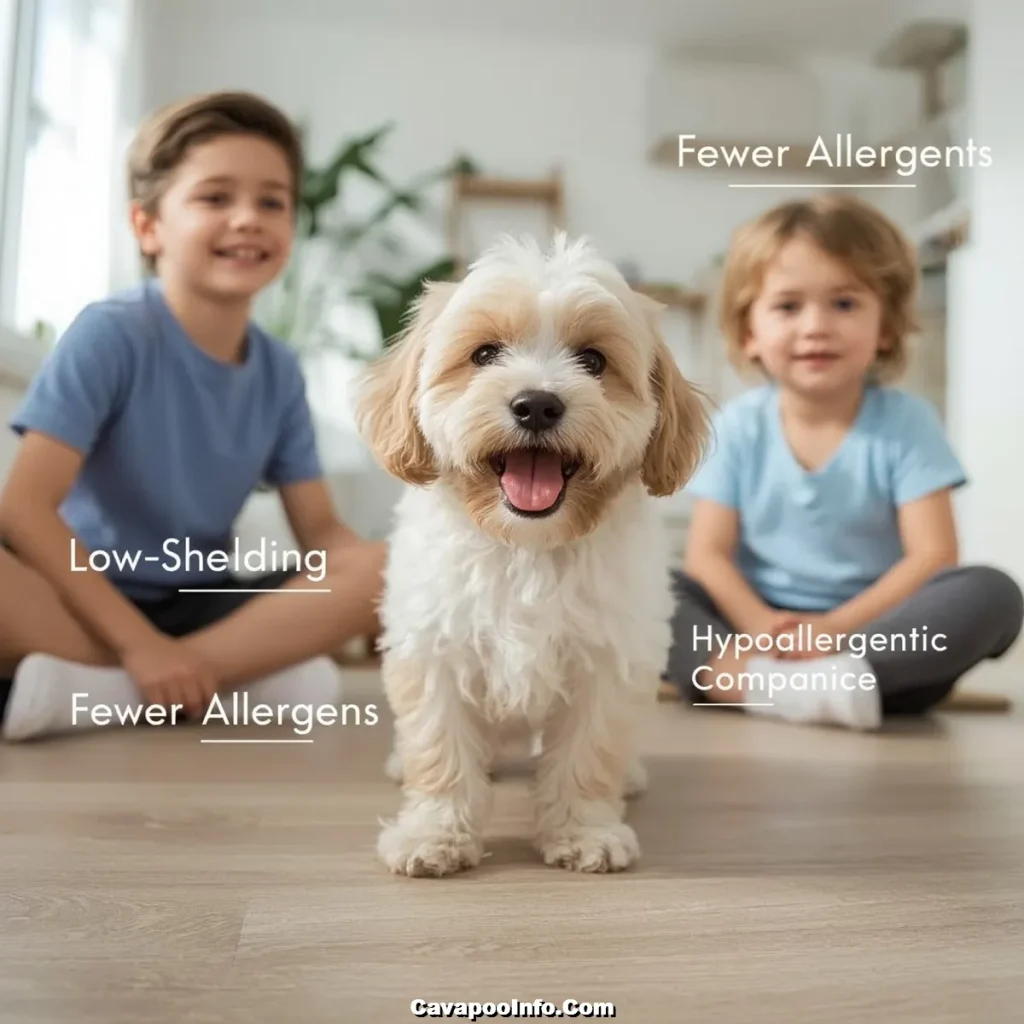
Since they are said to be low shedders, especially when sporting the Poodle’s curly fur, Cavapoos are thus ideal for people who suffer from mild to moderate allergies. They result in less dander, which helps in reducing allergic reactions and makes them more tolerable to people who are allergic.
Success Stories of Allergy-Tolerant Cavapoo Owners Stories:
Many allergy sufferers who own Cavapoos report that they tend to react less or not at all than they had experienced with other dogs. Some owners who reacted to dogs but had a hard time finding an acceptable breed have been comfortable with the Cavapoo, especially when the coat is curly or wavy.

Pre-Adoption Precautions:
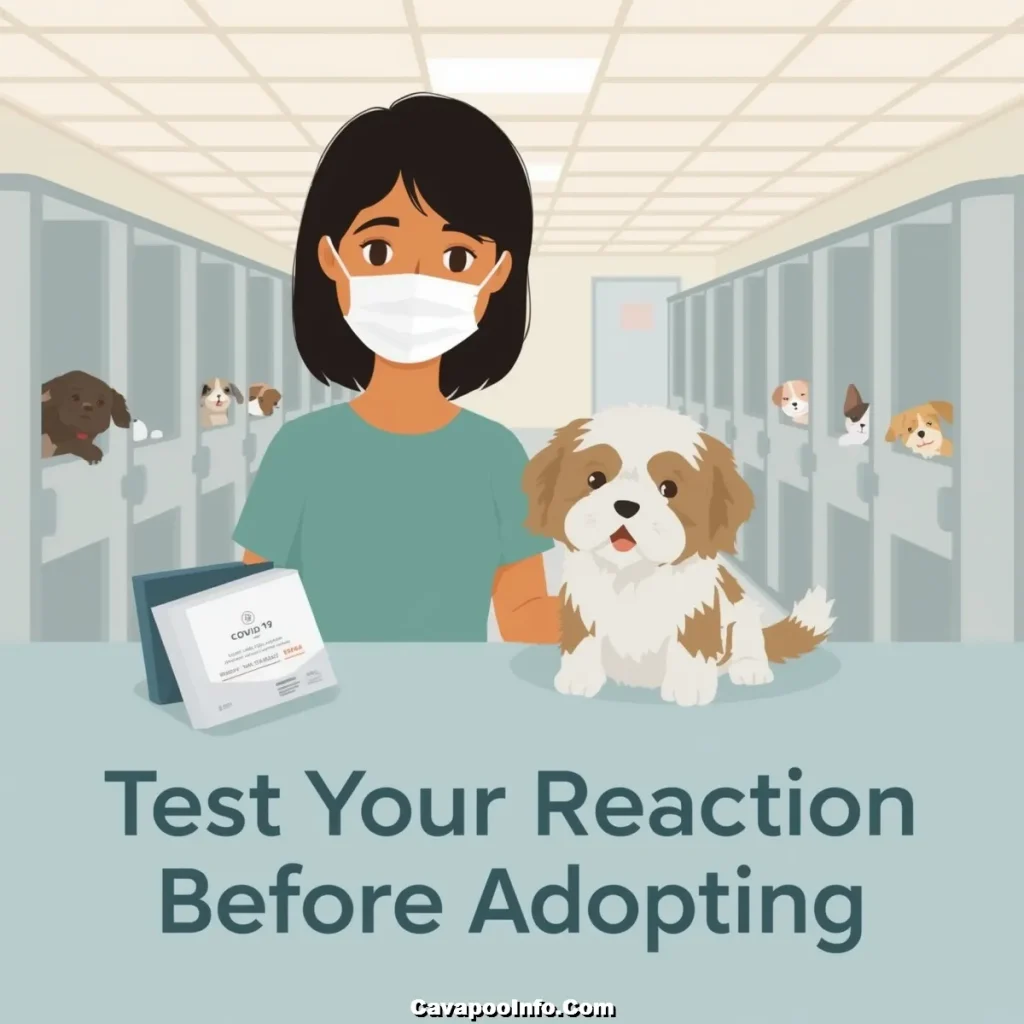
Before bringing home a Cavapoo, spend time with the dog to see if allergic reactions happen. Allergy sufferers should also consult with their doctor and consider grooming routines, which might include regular brushing, baths, and home cleanliness. No dog is completely hypoallergenic, so managing the environment can help reduce allergens.
Cavapoo Coats and Grooming Needs:
There are three main coat types that Cavapoos can have, curly, wavy, and straight.
- Curly coats follow the path of their Poodle side and, therefore, require regular grooming to prevent matting. This does little shedding but requires quite frequent brushing and gets trimmed every 6-8 weeks for all to be healthy and clean.
- Wavy Coats: A mix of Poodle and Cavalier, they shed a little more than the curled variety but are still low shedders. Regular brushing is 2-3 times a week while trimming every 8-10 weeks would keep them shedding under control and their coats in good condition.
- Straight Coats: Cavapoos with straight coats shed the most and require more frequent brushing to manage loose hair and dander. Regular baths can help reduce allergens.
Why Regular Maintenance Should be Observed?
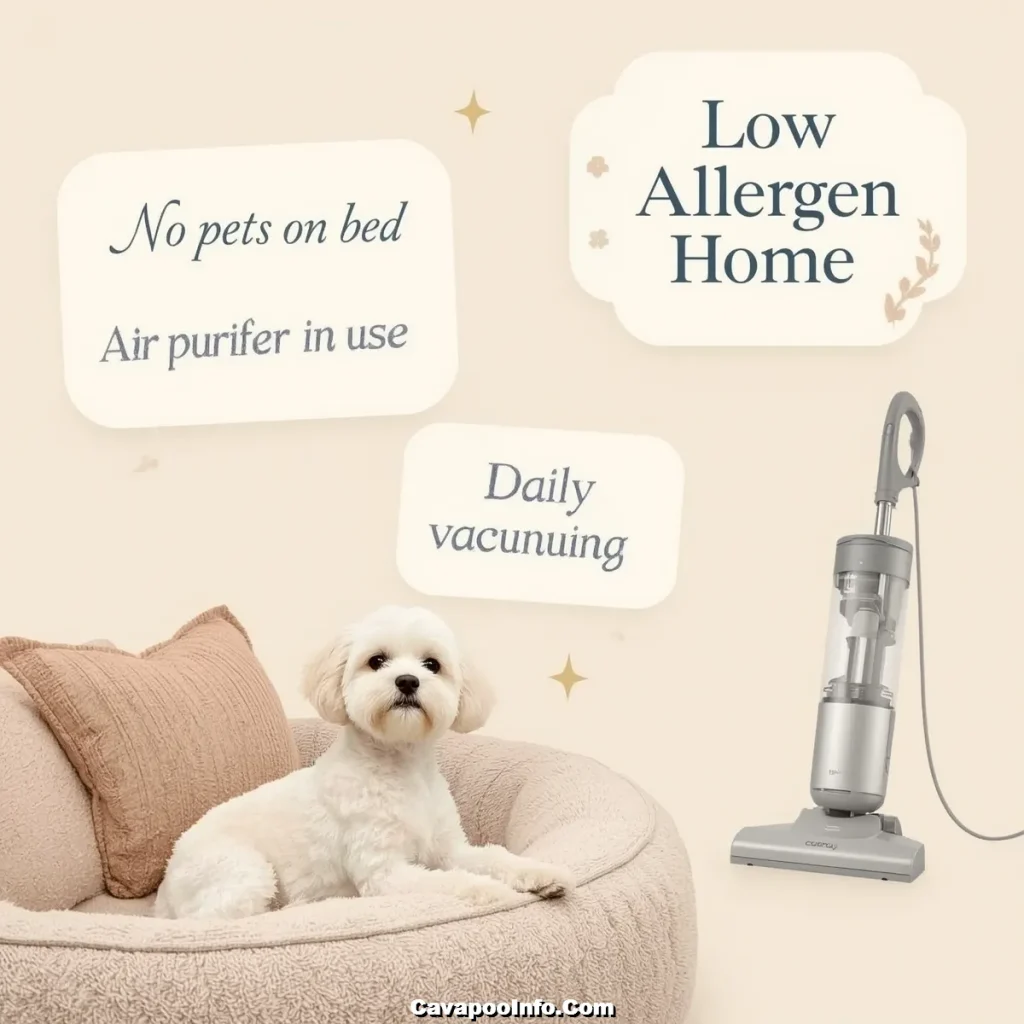
Regular grooming helps control shedding and dander which reduces allergens in the environment. Regular baths, brushing, and professional grooming help maintain the health of the coat and keep allergens at bay for sensitive people.
Most Hypoallergenic Dog Breed:
Three of the most popular are Poodles, Bichon Frise, and Maltese.
- Poodles: Poodles are very intelligent and trainable, Poodles stand as a great favorite among allergy sufferers. They have curlier coats that trap dander and hair, which means there’s less allergen released into the air.
- Bichon Frise: This breed is soft and curly with less shedding, which creates less allergy reaction. They are an excellent family dog as they are also joyful and affectionate.
- Maltese: Maltese breeds have long, silky fur. These breeds are low shredding, and in many cases, they can bring up fewer allergens than many of the breeds. Their small size and calm nature make them the perfect pets for allergy patients.
- Comparison with Cavapoos: Cavapoos are apt to take on the hypoallergenic tendencies of the parent Poodle, so they often are a good choice for people who have allergies. The Bichon Frise and Maltese, though are very light shedders, so may be producing few allergens at all. In the end, it will be a matter of personal sensitivity and lifestyle as to which is the best breed for allergy sufferers.
Potential Cavapoo Allergies and Their Owners:
Cavapoos readily develop allergies especially based on skin as well as diet such as:
Skin Allergy:
This is usually triggered by environmental factors like pollen, dust mites, and flea’ bites causing itching, redness, and irritation.
Food Allergens:
Some Cavapoos can be sensitive to certain contents of the meal taken, such as grains, dairy, and some proteins, which stimulate gastrointestinal problems or cause skin irritation.
Environmental Allergies:
The occurrence of mildew, pollen, or smoke may cause some sort of respiratory issues or skin allergies in such dogs. But at the same time, Cavapoos can also trigger allergies in human beings. Though they are a kind of hypoallergenic breed, dander, saliva, and urine of Cavapoos can easily cause allergies in sensitive individuals.

Allergy testing – Why is it important?
Such details would make a person go for necessary allergy tests for Cavapoos and ensure that the owners are tested to know potential allergies so that they can be well-managed. This helps in discovering particular allergens so that this care management strategy can help answer questions on quality of life that improve both dogs and owners too.
Pros of Keeping Cavapoo as a Pet
- Friendly Temperament: Cavapoos are bred to be friendly and affectionate, liking their time spent with family and people. They usually tend to be very attached to their families and make great emotional support animals.
- Low Shedding: Since they have this characteristic because of the Poodle gene, the coats of the Cavapoos are generally low-shedding, which is a huge plus for individuals who are sensitive to allergens. This feature also reduces dander.
- Trainability: Cavapoos are intelligent and love to please, which indicates them to be highly trainable. One can lead out the sessions with such dogs positively because they respond well to positive reinforcement.
Cons of Keeping Cavapoo as a Pet
- Grooming Needs: Their low-shedding coat is a good feature, but they need proper grooming so their coats do not matt; owners need to commit themselves to brushing and scheduling professional grooming every few weeks for coat health.
- Possible Health Issues: Cavapoos can inherit issues from either of the parent breeds and this includes hip dysplasia, heart-related issues, and eye concerns. They should have regular check-ups with their vet to keep track of their health.
- Allergy Conditions: Many allergy patients can tolerate Cavapoos, but time should be spent with the breed before adoption. Reactions to individual breeds also vary, and that needs some careful consideration.
Most Deadly Canine Allergies:
Cavapoos are liable to face potentially fatal allergies which must be treated immediately.
Anaphylaxis: Severe Allergic Reaction:
This extremely severe reaction can occur very rapidly within a matter of seconds after exposure to allergens via insect stings or certain medications or even vaccinations. Symptoms include trouble breathing, swelling of the face or neck area, rapid heart rate, and even collapse. If it occurs, the suspected cause should be brought before a vet as soon as possible.
Food Allergies:
Certain foods cause severe food allergies in dogs, which makes them sick with gastrointestinal upset, skin rashes, or, worse, anaphylactic reactions. The common culprits include beef, chicken, dairy, and grains.
Diagnosis and Allergy Control:
The cavapoo may show symptoms as itching, swelling, vomiting, or diarrhea. The pet should be taken to a veterinary emergency if anaphylaxis has been suspected. An elimination diet under a veterinarian’s supervision is likely to help solve food allergies. Monitoring potential allergens and acting under veterinary guidance is crucial in the management of these dangerous allergies.
Allergy-Friendly Cavapoo Training:
Allergy-friendly training for the Cavapoo would ensure limited reactions and a totally free house from the allergic environment around the pet.
Training Tips to Minimize Allergic Reactions:
Avoid the Furniture: Train your Cavapoo not to jump onto furniture so that the dander is not spread. Use commands such as “off” or “leave it” to help create this behavior.
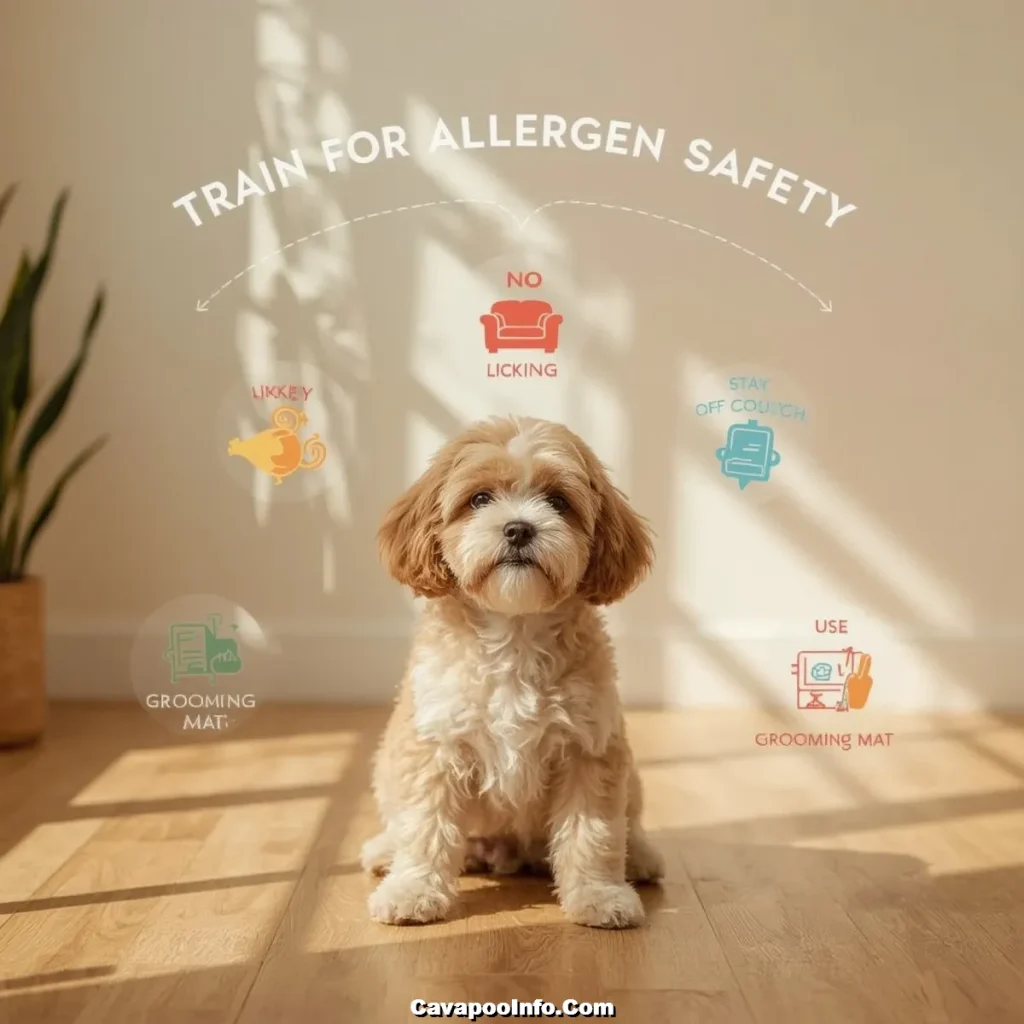
Designated Rooms: Choose particular rooms for your Cavapoo’s retirement places like a dog bed in a low-traffic area of the house which will help congregate dander to prevent it from becoming airborne throughout the house.
House Rules To Reduce Dander Flow:
Doors and Leashes: Accompany your dog to remain calm at doors and leashes, so that there is less chance for dander to escape into the outside world or into other rooms.
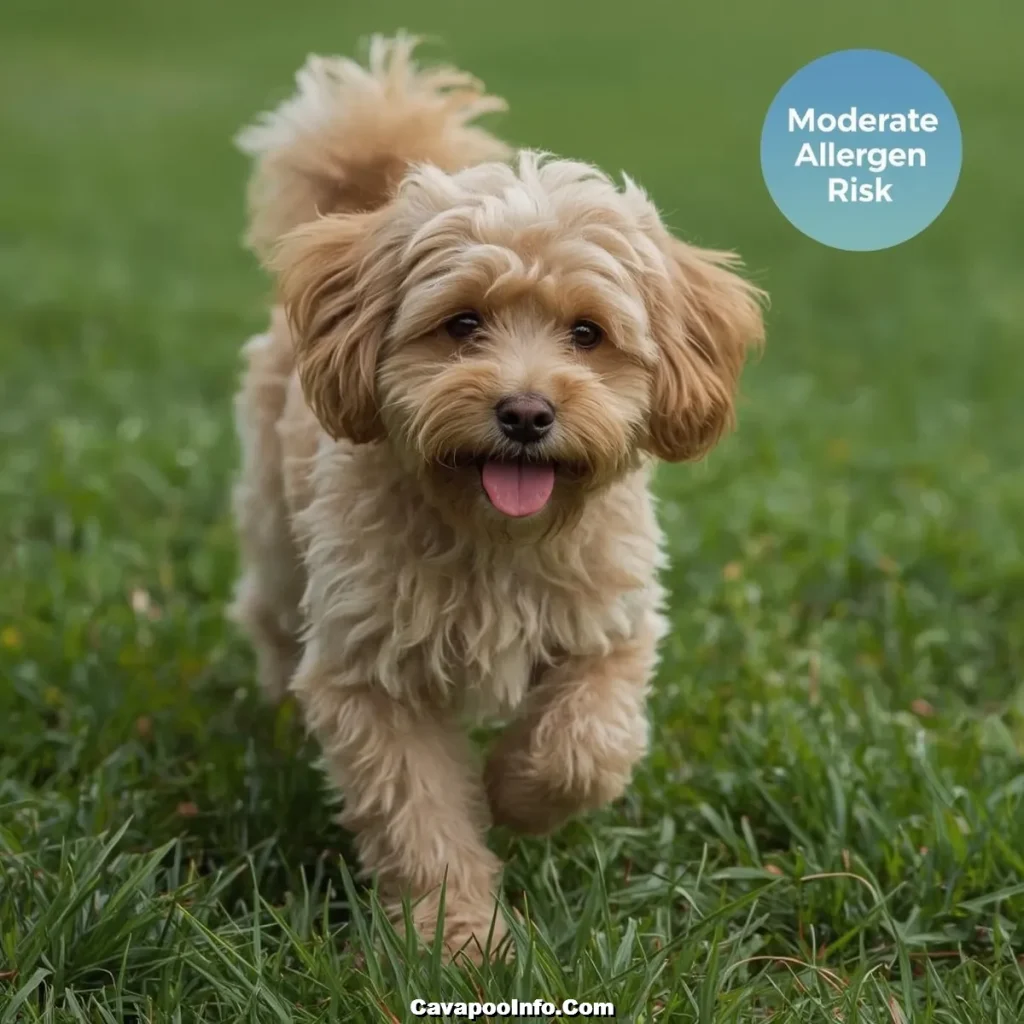
Reward-Based Training Methods: Employ the reward-based training methodology; such as treats and praise to award them for the behavior you want. This method enables the attainment of an amorous relationship while also facilitating effective learning of your Cavapoo’s house rules that will prevent allergies.
Conclusion:
The Cavapoo can reduce the risk of allergic reactions because they have low shedding when compared to its parent breed. However, proper grooming and management of the environment are essential to minimize dander or allergens. Regular veterinary check-ups can also address any health concerns that may develop.
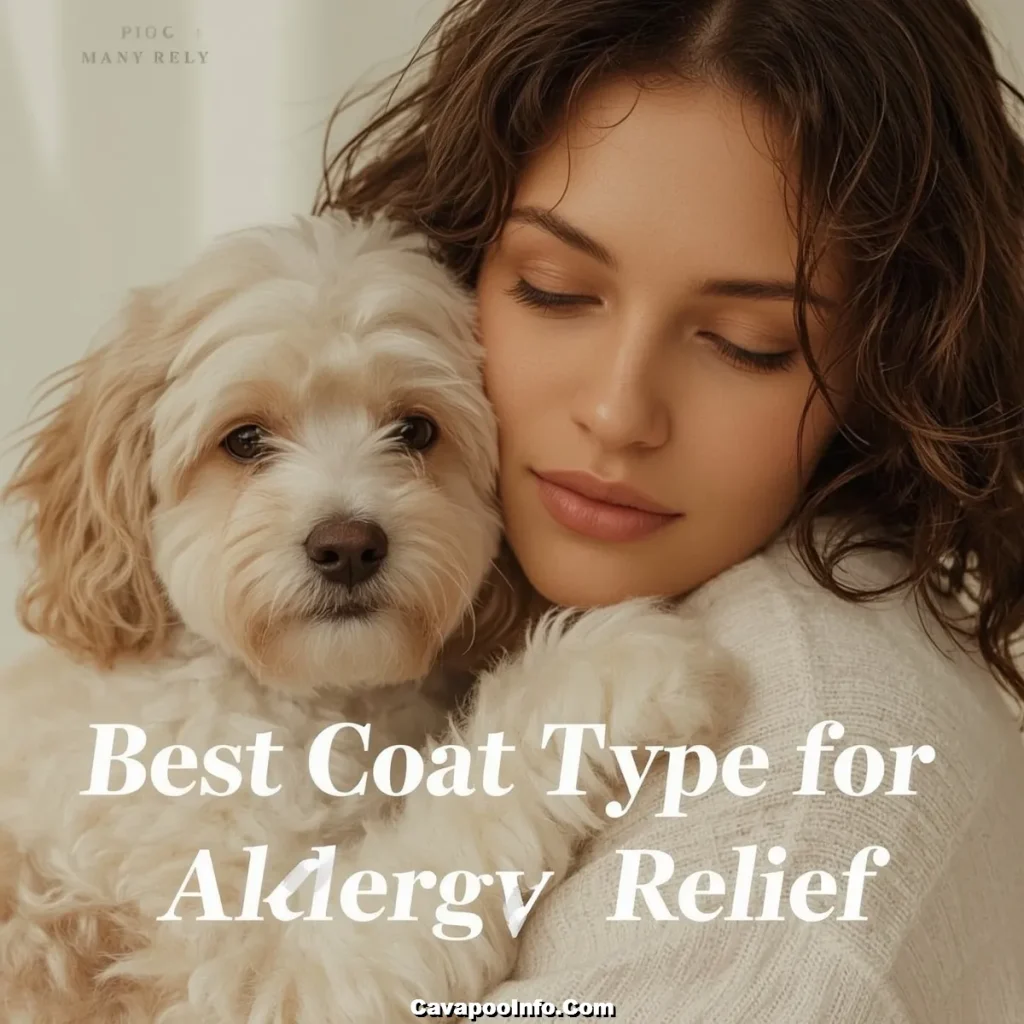
In all, owning a hypoallergenic dog like a Cavapoo can provide companionship and delight with allergy considerations. Once the commitment level to grooming and training is made, many allergy sufferers find pleasure or satisfaction with these adorable dogs to add to their lives without any compromise to health. Preparing for compatibility if you are considering a Cavapoo makes your pet ownership experience a successful enjoyable one.